Upper Limb Neurological OT — Melbourne
The NeuroPerform
Post Botox Upper Limb Program
A dedicated, high-intensity upper limb occupational therapy program designed to maximise the effects of Botox - timed precisely to the post-injection window and driven entirely by your individual goals and functional needs.
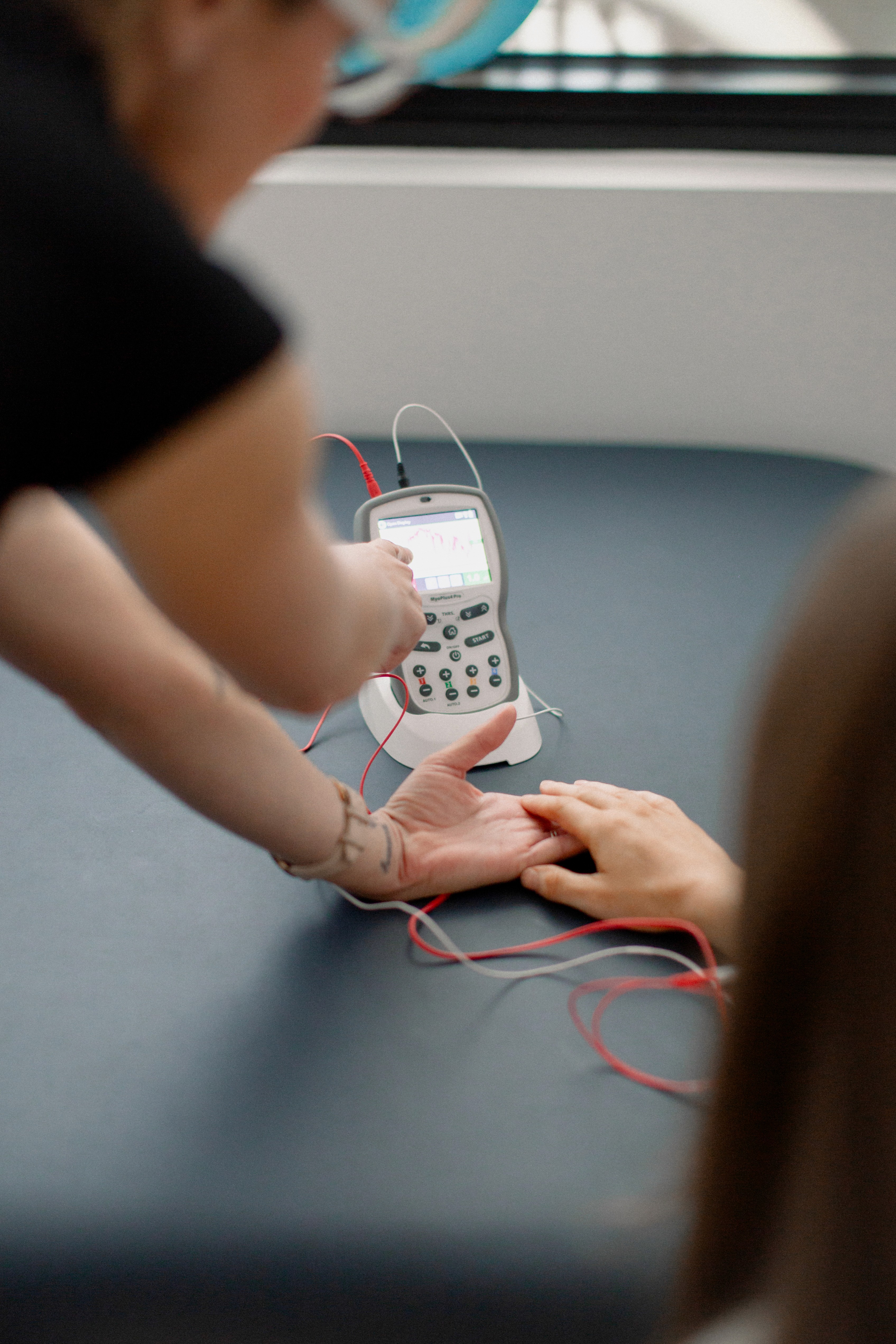
What Is Our Post Botox Upper Limb Program?
Botox injections are commonly used to temporarily reduce spasticity in the upper limb — relaxing tight muscles that restrict movement, cause pain, and limit independence. But Botox alone is not a rehabilitation strategy. It creates a narrow window of reduced muscle tone that, without intensive and targeted therapy, is largely missed.
The NeuroPerform Post Botox Upper Limb Program is built specifically to capitalise on this window. Beginning two weeks post-injection — once botox has taken effect — our occupational therapists deliver structured, high-intensity therapy focused entirely on the upper limb. Every session is aimed at improving the functional tasks that matter most to you: dressing, meal preparation, eating, grooming, and the everyday activities that define independence.
This is not a general OT or physiotherapy program. It is a dedicated, evidence-based upper limb program with a single focus: helping you get more out of your Botox.
Who Is This Program For?
This program is suitable for adults with neurological conditions who experience upper limb spasticity and are receiving, or planning to receive, Botox injections. Conditions we commonly support include:
• Stroke and CVA
• Acquired Brain Injury (ABI)
• Traumatic Brain Injury (TBI)
• Multiple Sclerosis (MS)
• Cerebral Palsy (CP)
• Spinal Cord Injury
If you are unsure whether this program is right for your situation, we encourage you to reach out — our team is happy to discuss your specific needs before you commit to anything.
How It Works
Every client moves through a structured pathway — beginning with a thorough assessment, followed by consistent weekly sessions with a dedicated therapist, and concluding with a formal review of outcomes.


Program Options
We offer two program structures to suit different needs and schedules. Both include the same initial assessment session, eleven regular therapy sessions, and end-of-program review, delivered by a dedicated occupational therapist at our Braybrook clinic.
6-Week Intensive
High-frequency · 2 sessions per week
Duration
6 weeks
Sessions
2 per week - 1 dedicated OT
Total
12 in-clinic sessions
Twelve sessions delivered across six weeks at a frequency of two sessions per week. This high-frequency model is recommended for clients who want to maximise outcomes through consistent, intensive practice and concentrated support for motor relearning.
Extended program · 1 session per week
Duration
12 weeks
Sessions
Total
12 in-clinic sessions
The same twelve sessions spread across twelve weeks at one session per week. This format suits clients who prefer a more gradual schedule, have other therapy commitments, or are building toward goals that benefit from a longer timeframe.
Unable to make it into the clinic? Please reach out to discuss options for in-home appointments.
We also offer
Serial Casting
Optional add-on · can precede either program
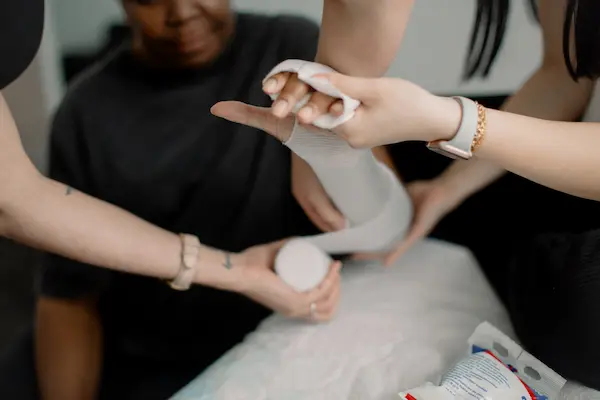
Serial casting uses progressive casts applied over several days to gradually lengthen tight muscles and improve joint range of motion. It is most effective when used 2 to 3 weeks post injection - when botox has taken effect and works as a powerful complement to either program above by maximising the range available before intensive therapy begins.
Casting takes place over approximately one week and is conducted in clinic. The lead therapist remains on call throughout in case the cast requires early removal.
Day 1
2 hours - 2 therapists
Day 3-4
1.5 hours - 2 therapists
Day 5-6
1 hour - 1 therapist
Total
8 hours of in-clinic therapy
Serial casting therapy plans can be subject to change depending on specific needs. For more detail on serial casting as a standalone treatment, visit our Serial Casting service page.
Ready to Refer or Enquire?
Whether you are a participant, family member, support coordinator, or medical professional — we’d love to hear from you. Please get in touch via our referral form or request a call back if you would like to discuss your specific needs.
How We Treat: Evidence-Based Interventions
Task-Specific Training
Task-specific training forms the foundation of every session. Rather than practising isolated movements, therapy focuses on the real daily tasks that matter most to you — dressing, meal preparation, eating, grooming, and other activities of daily living. Repetitive, goal-directed practice of these meaningful tasks is one of the most well-supported approaches to driving neuroplasticity and improving functional independence after neurological injury.
Upper Limb Strengthening
Spasticity causes certain muscle groups to become overactive while their opposing muscles weaken through disuse. Our therapists target strengthening of the antagonist muscles — those that work against the spastic pattern — to restore more balanced muscle activation, improve active range of motion, and support better functional movement throughout the arm and hand.
Hands-On Facilitation & Passive and Active Limb Movement
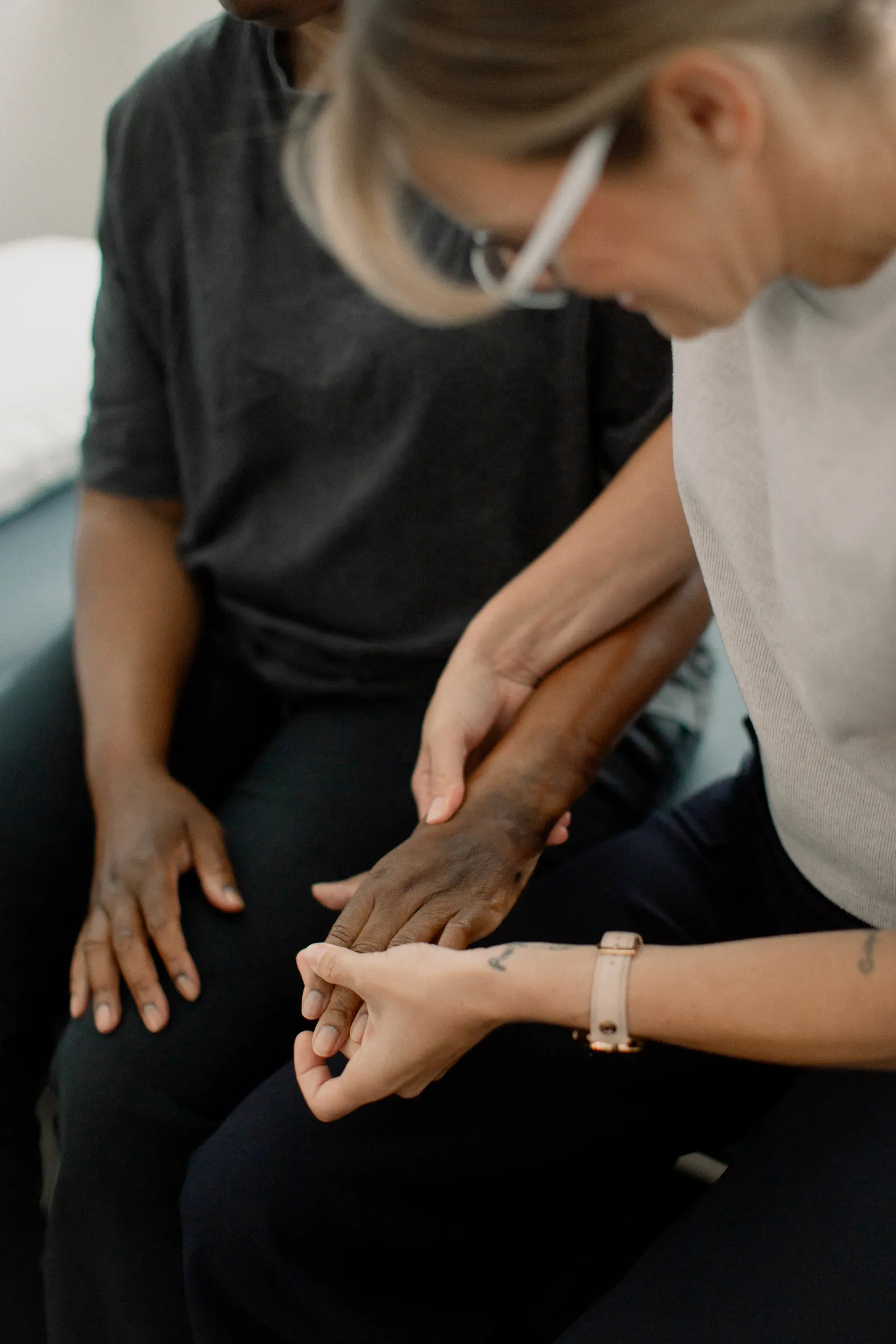
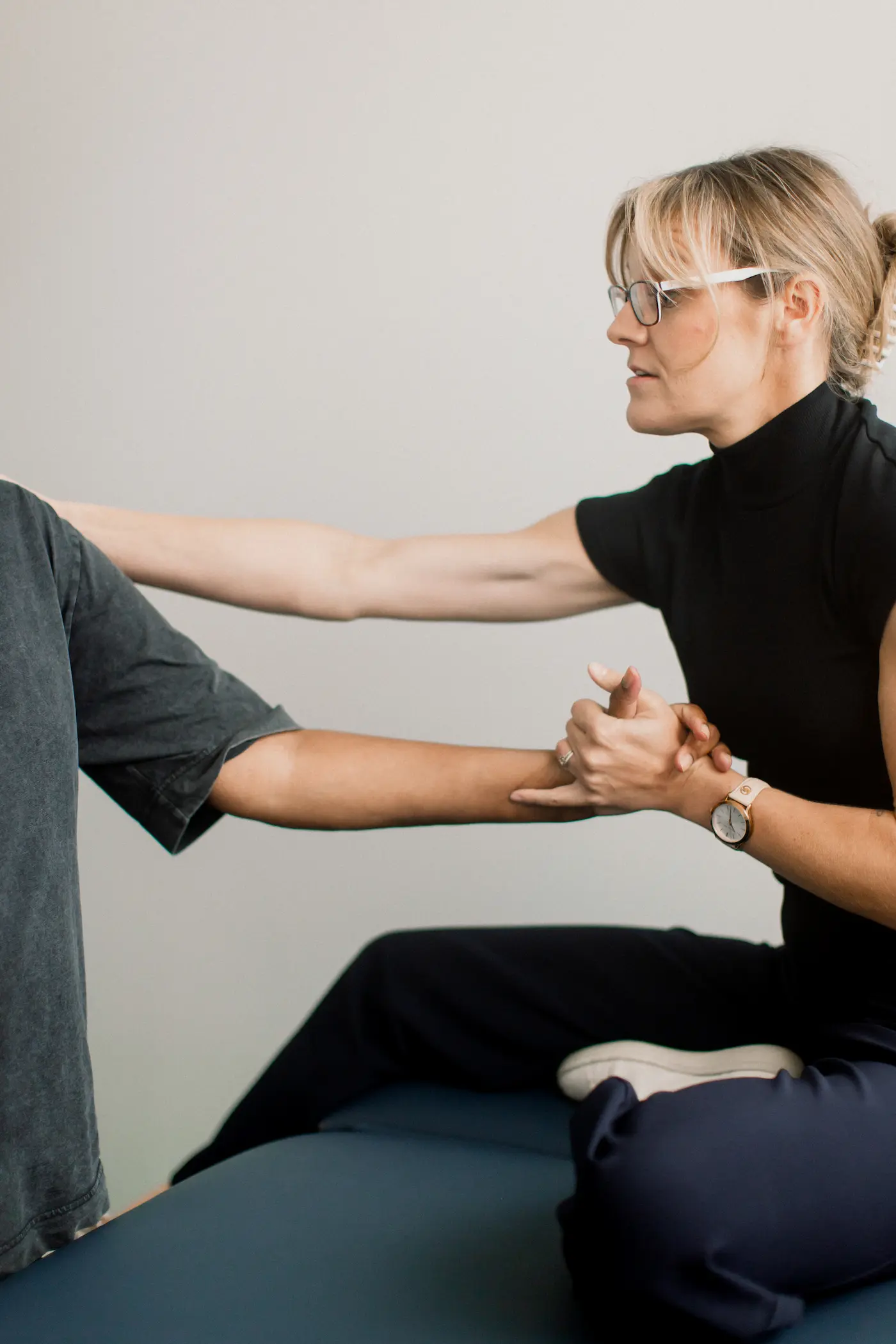
Hands-on facilitation involves your therapist guiding movement to help your nervous system experience normal, coordinated patterns of motion. Combined with both passive movement (where the therapist moves the limb) and active movement (where you initiate and control the motion), this approach helps maintain joint integrity, reduce stiffness, and progressively build toward independent, purposeful movement.
Electrical Stimulation (FES & EMG Biofeedback)
Functional Electrical Stimulation (FES) delivers targeted electrical impulses to activate muscles that are difficult to engage voluntarily due to neurological injury. Used alongside EMG biofeedback — which detects and displays muscle activity in real time — this combination helps retrain the neural pathways between the brain and the affected muscles. The result is improved motor control, increased sensory awareness, and more effective motor learning during the post-Botox window when conditions for change are at their best.
Somatosensory Training
Neurological conditions frequently impair the sensory processing that underpins effective movement — making it difficult to feel, grip, or coordinate the hand and arm. Somatosensory training uses structured exercises to stimulate and retrain these sensory pathways, improving the integration of sensation with movement. Restoring sensory awareness is a critical and often overlooked component of upper limb recovery, and one our therapists are specifically trained to address.
Outcome Measurement & Progress Tracking
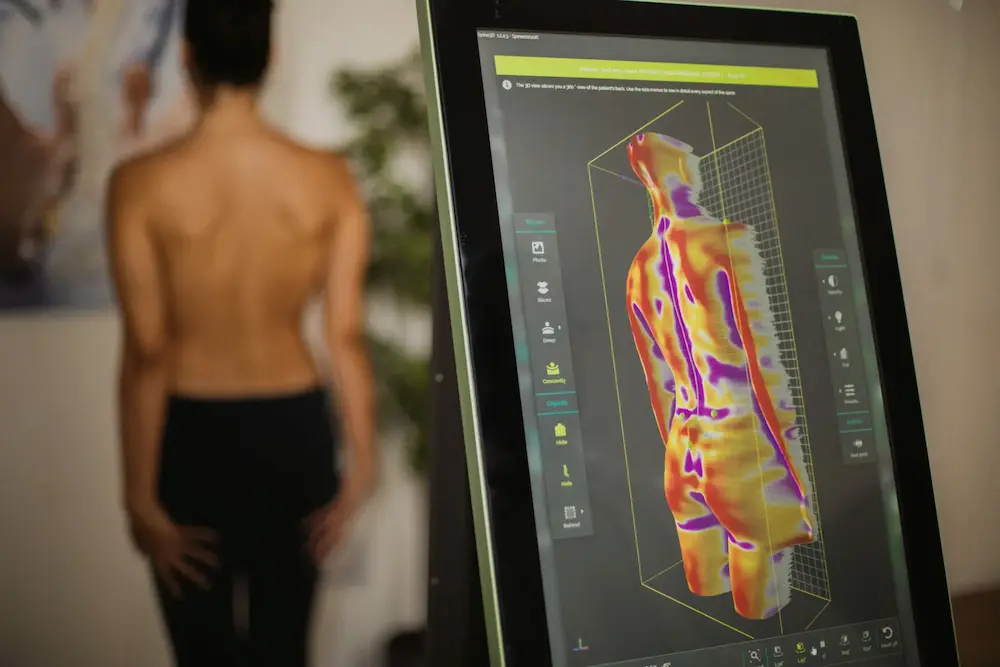
Outcomes are measured systematically throughout the program using standardised assessment tools, active and passive range of motion recording, and video documentation taken at baseline and across regular intervals. At the conclusion of the program, all data is compiled into a written results summary report — providing an objective, evidence-based record of what has been achieved that can be shared with your treating team, support coordinator, or used to support future funding applications.
Discover Our Full Range of Services





What Our Clients Say About Their Upper Limb Rehabilitation Journey
I needed help with restoring my hand function after I suffered a spinal cord injury. Initially, I was concerned about choosing Zoe because too many OTs are satisfied with the minimum, and I wanted one that would keep pushing me and the boundaries of my injury.
I found Zoe to be thoughtful and was always looking for new ways to assist in my recovery. I have much more function in my hand than ever before, and recovery has been at a faster rate. Zoe is thoughtful and reassuring.
I would recommend Zoe to anyone looking for a superior OT to help them gain their hand/arm function back.
I.B.
Client testimonial
One benefit of having a chronic neurological condition is that you get to meet and work with some amazing, brilliant people you would otherwise not have met.
My OT Zoe is one of these special people. Zoe knows OT, is passionate about it, and genuinely cares about her clients.
I honestly can’t recommend Zoe and her business venture Neuro-Perform highly enough.
A.R.
Client testimonial